Gavin Rogers
Principal Consultant & Inclusion LeadFocus: Neurodivergent-affirming practice, person-centred approaches, inclusion, therapeutic practice and translating neurodivergence into everyday professional practice.
NOTICE / WONDER / ASK / ADAPT / REVIEW
Practical support for translating understanding of neurodivergence into better everyday practice, including communication, sensory needs, executive functioning and reasonable adjustments.
Not awareness training. This is about what you notice, what you ask, what you change, and whether it actually helped.
Daisy Long · ADHD UK Ambassador
Built By, With and For People
Orientation
Your neurodivergent practice workspace
What this space is for, and the quickest way into it.
Start here
A place to work out what to do differently, in the situation you are actually in.
This Practice Support Hub helps you move from understanding neurodivergence to applying it in everyday practice.
Use the tools, activities and resources to think differently about communication, behaviour, sensory experience, executive functioning and reasonable adjustments.
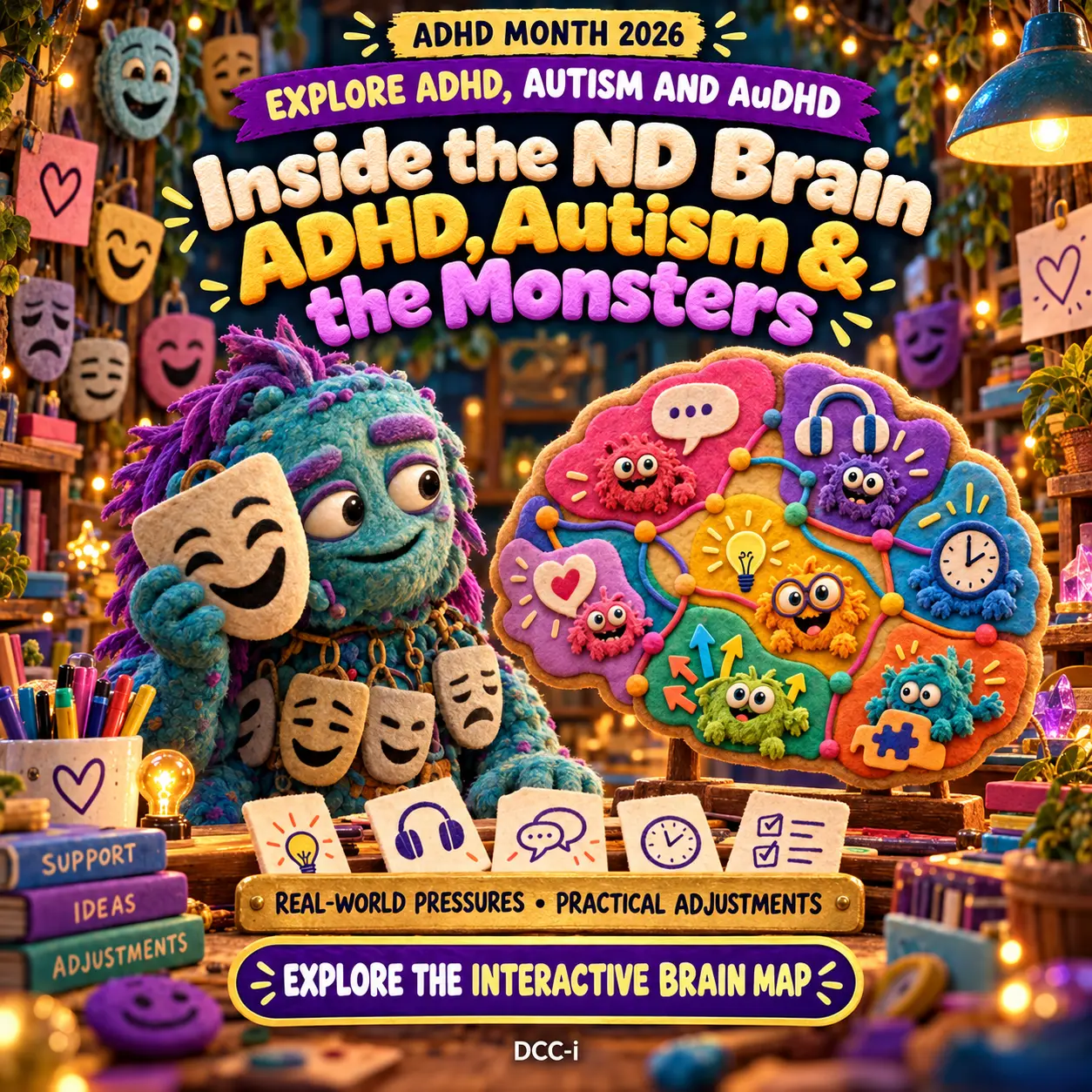
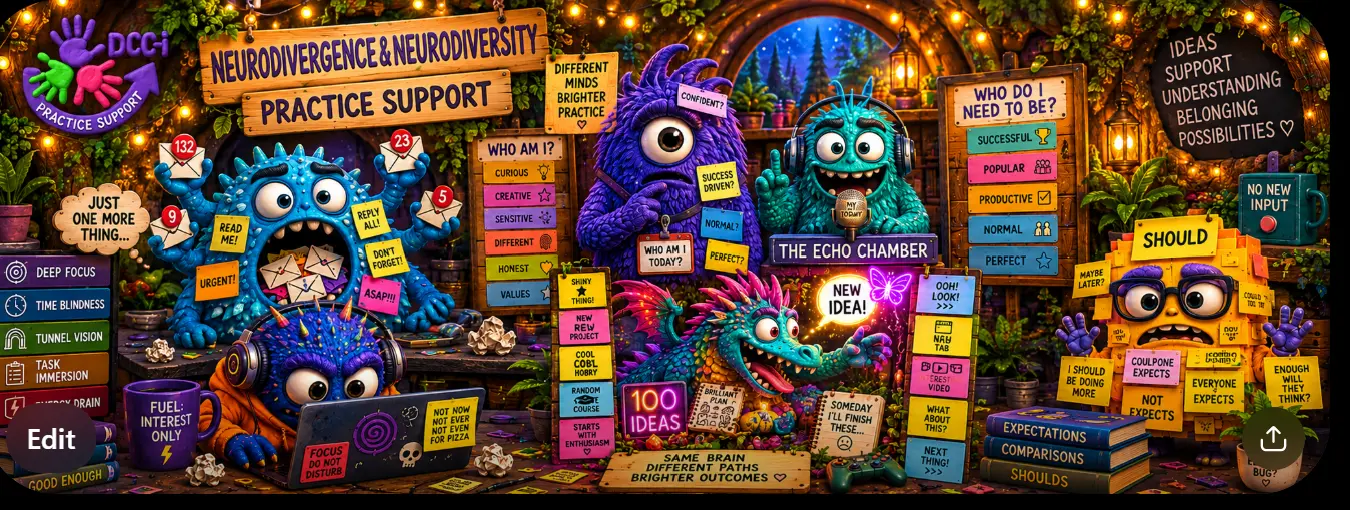
ND Monsters: Understand. Adjust. Thrive. is an interactive practice experience that helps you explore assumptions, behaviours and situations in a practical way.
Use it as a starting point, then explore the wider hub based on what is useful to you.
You do not have to work through everything in order. Start with what is useful to you.
The people behind this hub
Built by, with and for people.
This Practice Support area brings together professional practice expertise and lived experience of neurodivergence, with particular strength in ADHD, autism, social work, health and social care, training and inclusive practice.
Our team combines professional knowledge with lived perspectives to keep the support practical, human and grounded in what makes a difference in everyday practice.
Focus: Neurodivergent-affirming practice, person-centred approaches, inclusion, therapeutic practice and translating neurodivergence into everyday professional practice.
Focus: Neurodivergence, mental health, social work leadership, reflective practice and inclusive practice.
CPD PATHWAY
Notice differently. Ask differently. Adapt practice. Review whether it helped.
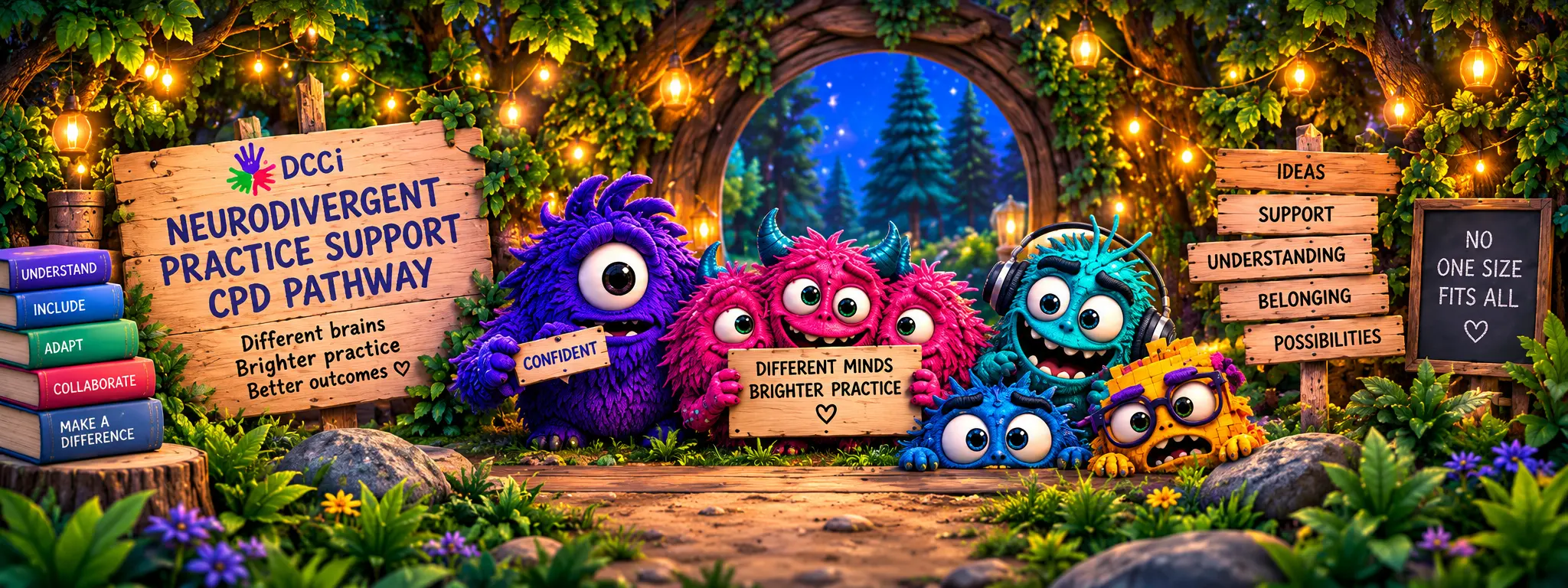
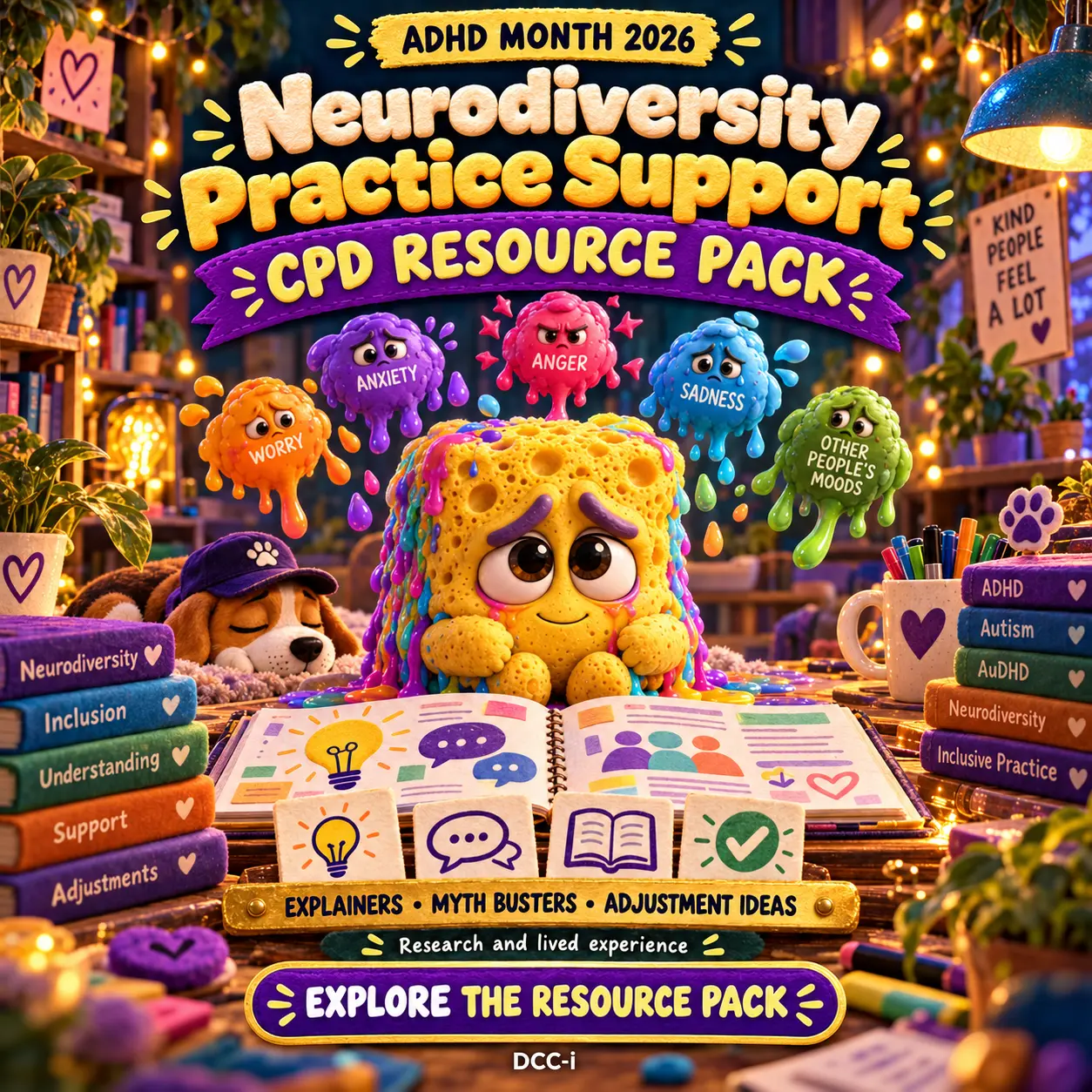
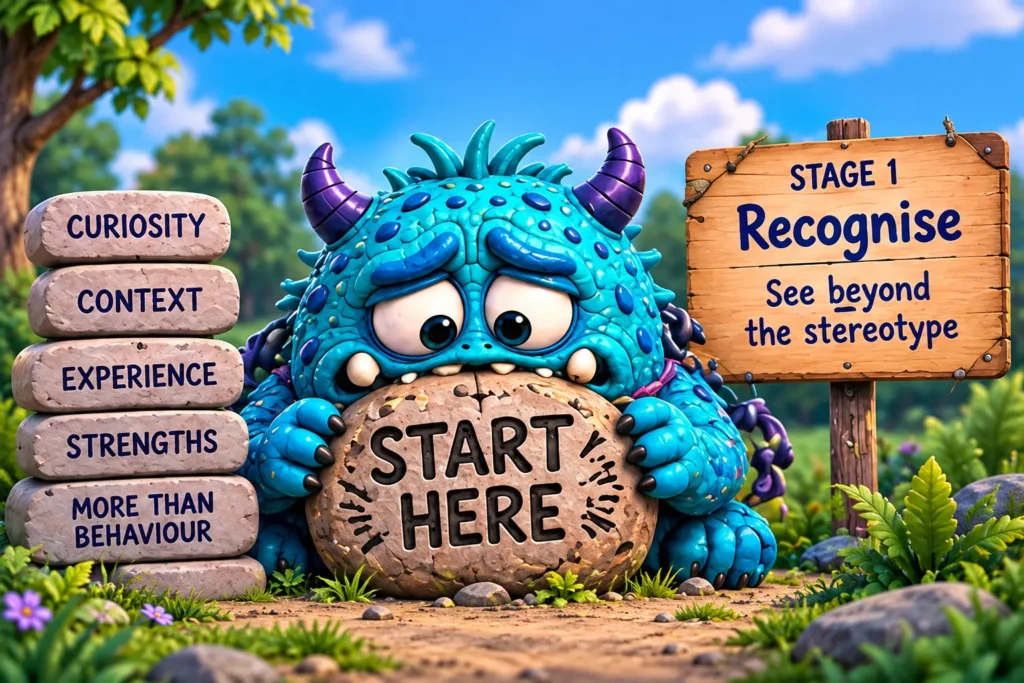
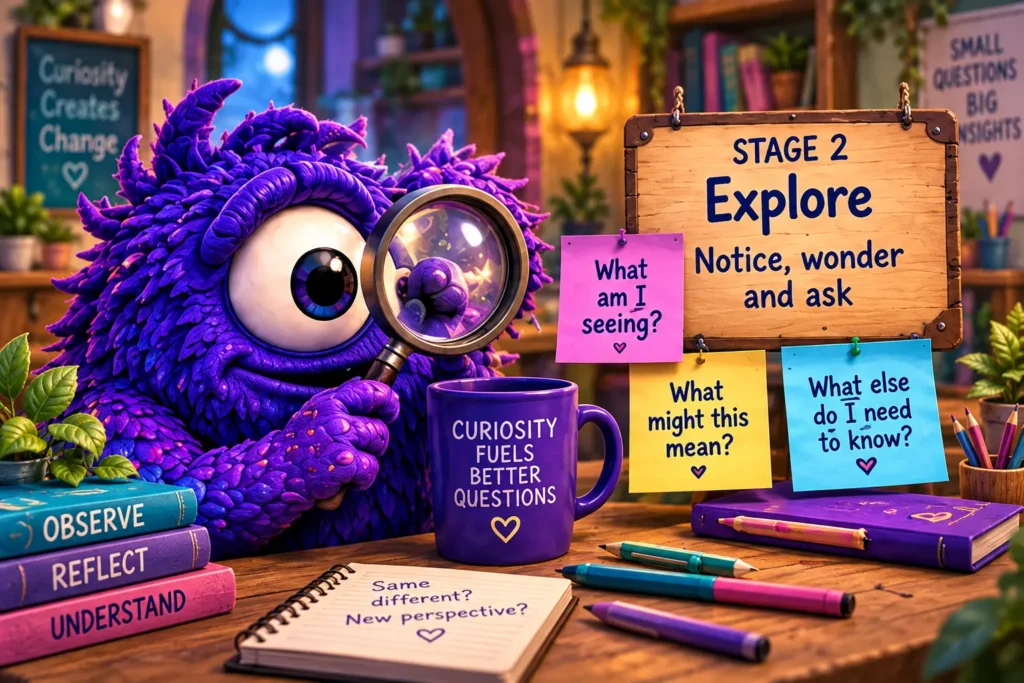
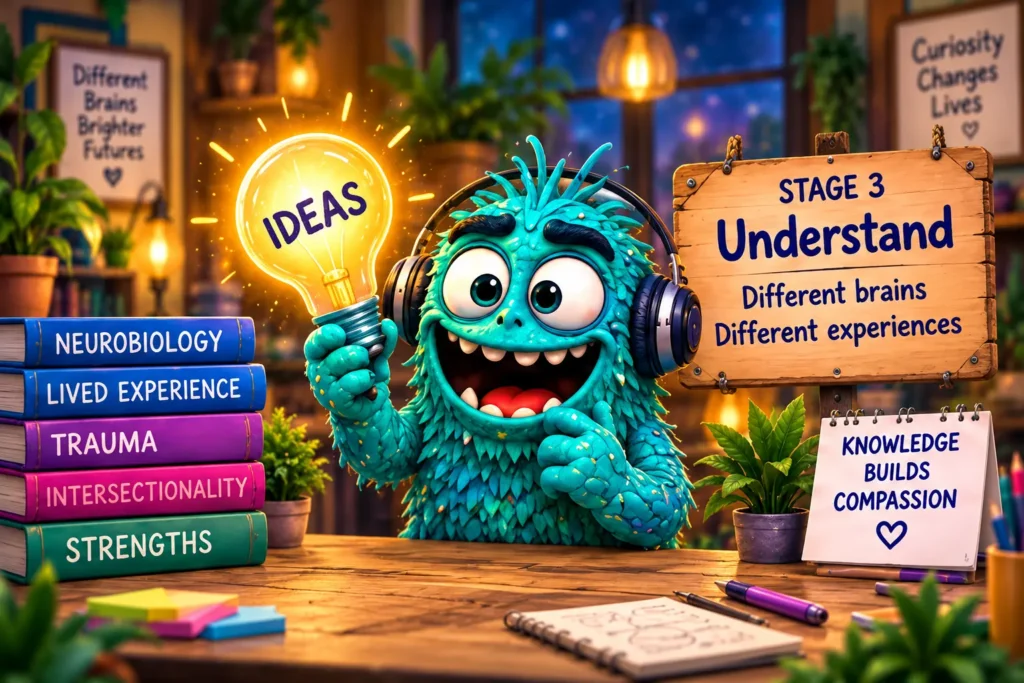
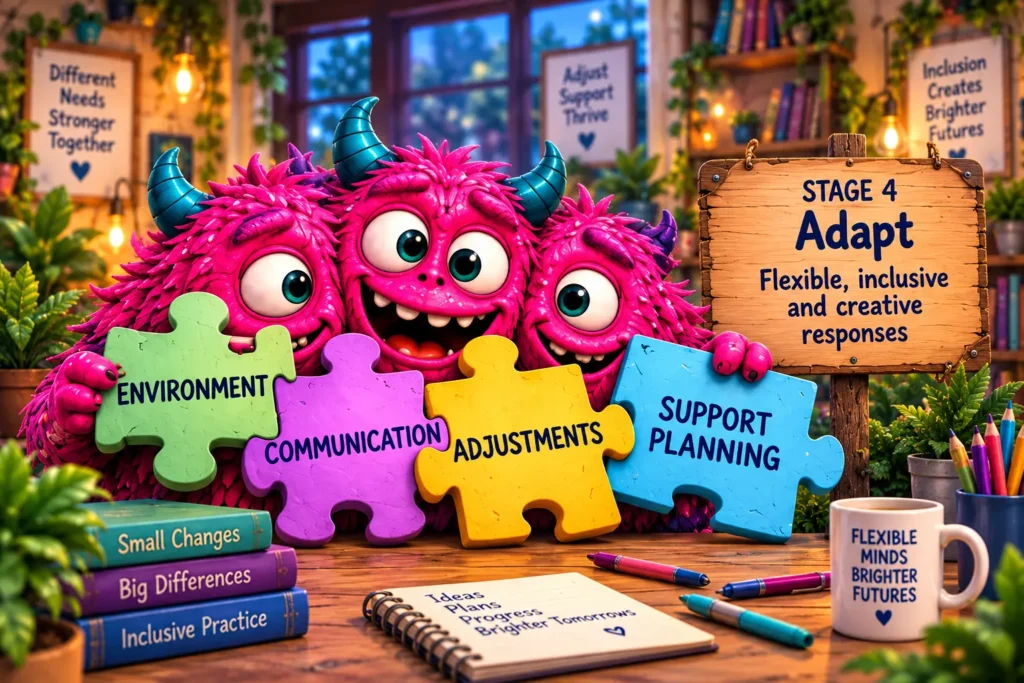
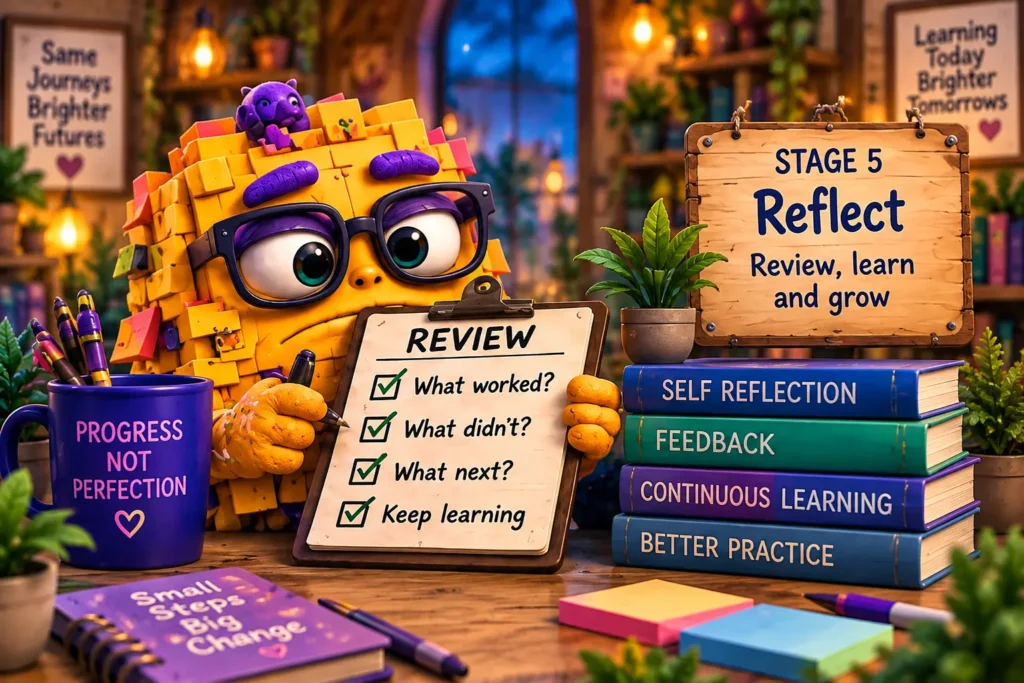
A structured 3-hour Neurodivergent Practice Support CPD pathway to help you move from recognising neurodivergence beyond stereotypes to applying more thoughtful, inclusive and defensible practice. Across six connected activities, you will explore lived experience, executive functioning, communication, reasonable adjustments, critical reflection and applied professional judgement, moving through recognise, explore, understand, adapt, reflect and apply.
Starting adds this pathway to your Dashboard. Complete each stage to unlock the next. Return through your Dashboard whenever you are ready.

Featured hub
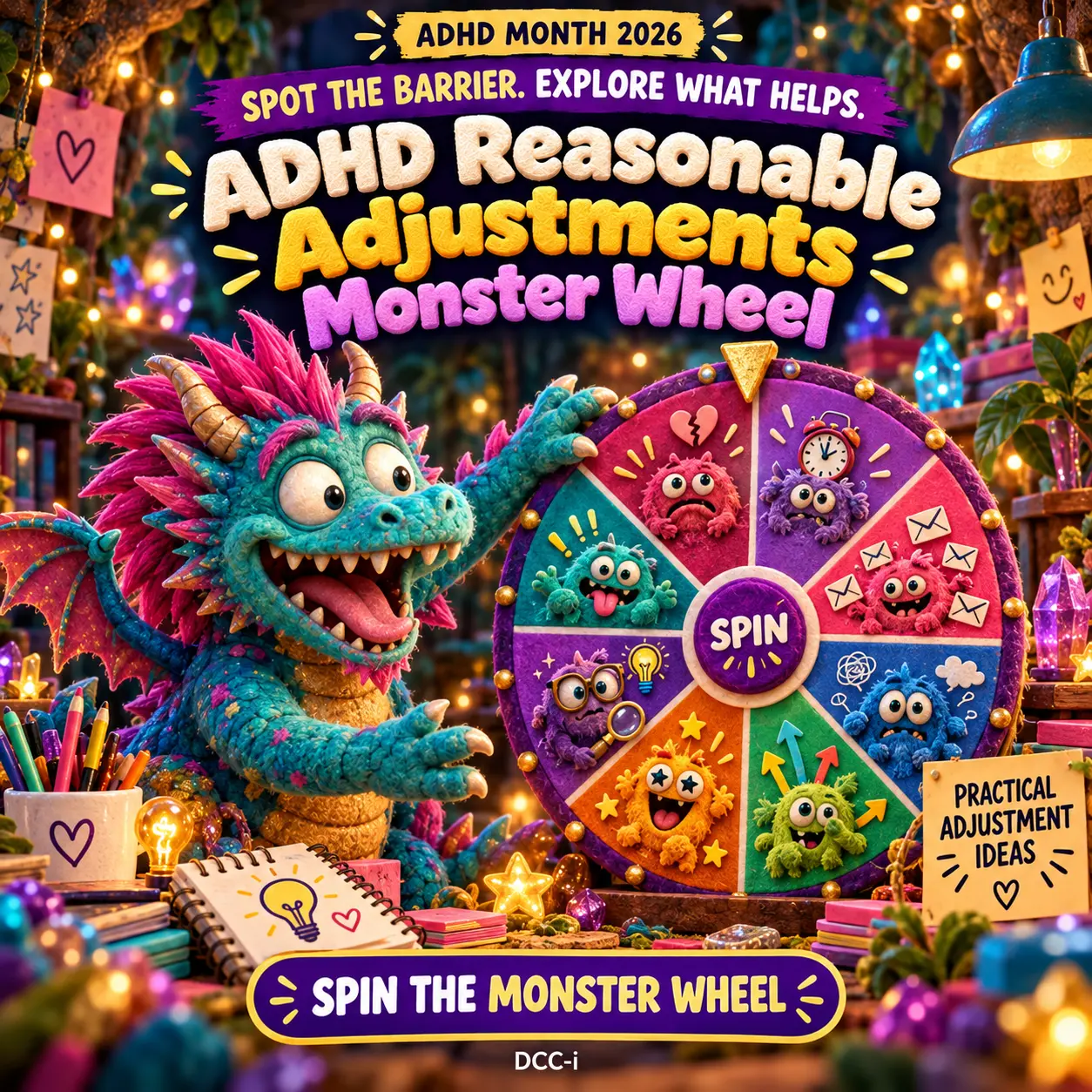
A practical hub for understanding workplace barriers and supporting neurodivergent employees through effective reasonable adjustments.
You will be asked to sign in or create a free Portal account to use the hub.
Where would you like to start?
Start with what you need right now.
You might be dealing with a situation, trying to understand what you are seeing, looking for something practical to try, or wanting to learn more. Pick the route that fits and move between them whenever you need to.

Start here if you have a real practice situation in front of you, such as missed appointments, overwhelm, apparent disengagement or communication difficulties.
Coming soonExplore what might sit underneath behaviour, including communication, sensory experience, masking, executive functioning and distress.
Coming soonFind practical ideas for reasonable adjustments, communication, environment and support that you can try in everyday practice.
Coming soonUse ND Monsters, CPD activities, supervision and reflective resources to deepen your understanding and develop your practice.
Coming soonSomething is happening in practice
Start from the situation, not the label
Real questions practitioners bring, and the tools and resources that help with them.
Use something now
Briefings, visual summaries, tools, flashcards, games and selected links for neuroinclusive practice. Hover or tab through a station to preview what is there, then open it to see everything.
Briefings, short explainers and practice updates relating to neurodivergence and neuroinclusive practice.
Open ND briefing shelfVisual summaries, diagrams, quick-reference graphics and practice prompts.
Open ND infographic standInteractive practice tools, reflective activities, decision aids and apps.
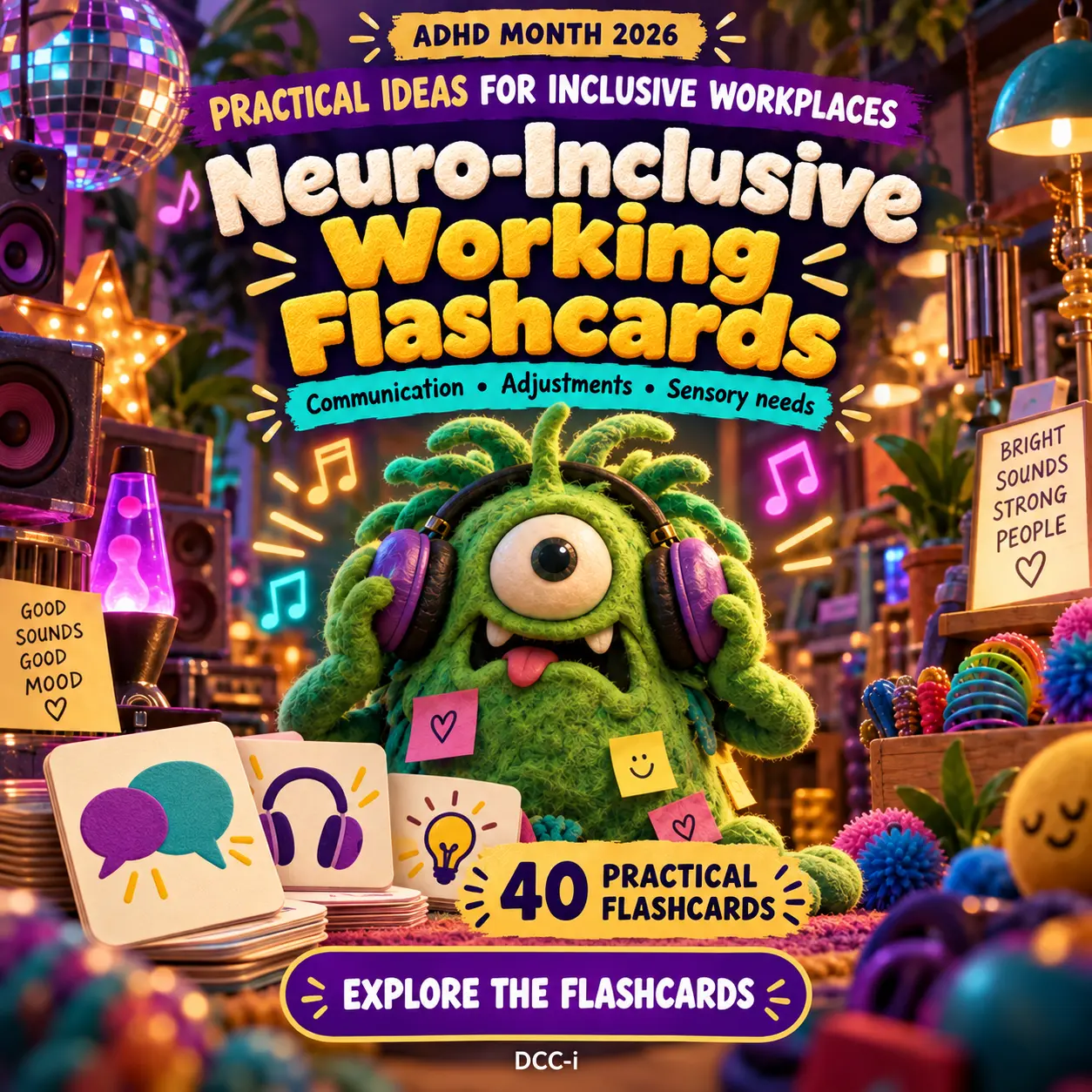
Open ND toolsND Monsters flashcards and future flashcard sets, for supervision, team discussion and reflection.
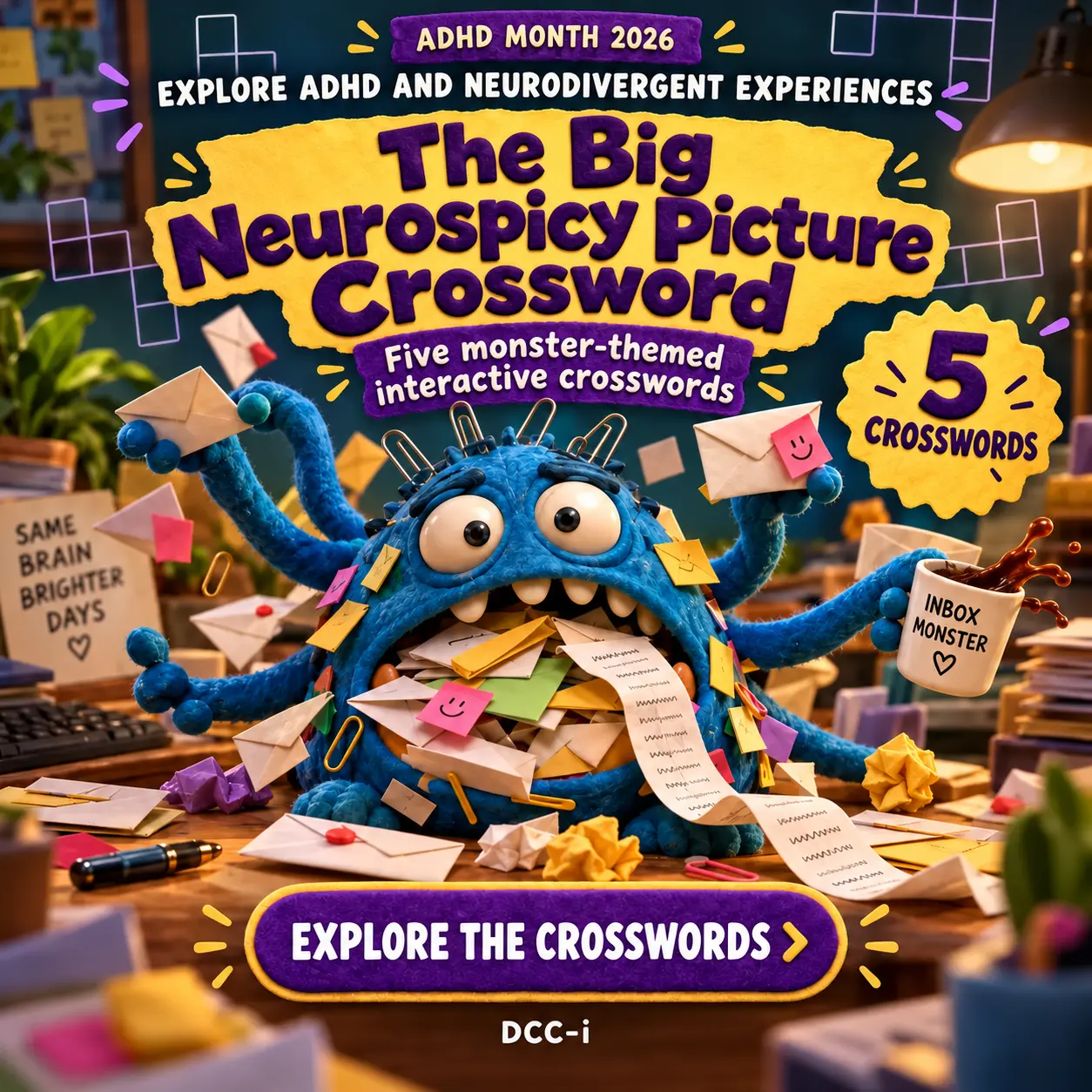
Open ND flashcardsGames, puzzles and interactive practice activities for neuroinclusive practice.
Open ND games and puzzlesTop 5 quick links to guidance, organisations and resources that support neuroinclusive practice and reasonable adjustments.
View all ND external linksStart with what is happening
Questions that arise in everyday practice. Explore what might be happening, what to ask, what to adjust and how to record your reasoning.
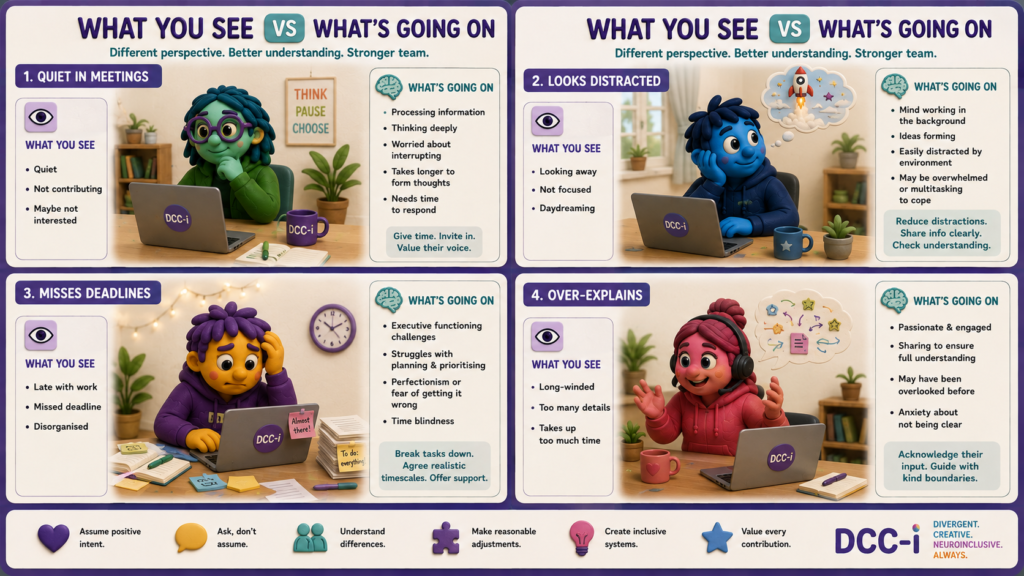
Translate labels into observable behaviour. Explore processing time, working memory, sensory load, anxiety, demand, communication differences, time perception and previous experiences before concluding that the person is unwilling to engage. Record what adjustments were tried and whether participation changed.
A defensible decision shows the evidence considered, the person’s voice, alternative explanations, relevant legal framework, adjustments made, consultation, uncertainty, proportionality and the reasoning linking evidence to the decision. Another practitioner should be able to understand why it was made without relying on stereotypes.
Explore in the Hub: MCA Practice Support
Examples include written agendas, questions in advance, shorter sessions, breaks, reminders, permission to move or use fidgets, reduced distractions, one question at a time, written summaries and explicit next actions. Individualise them rather than treating the list as an ADHD checklist.
Slow the thinking down
Notice, wonder, ask, adapt, review
A way to work through a situation, and the themes running underneath it.
Understand it
The themes running underneath everything else here. Use them to find your way around, not as a syllabus to work through.
The themes for this area are being set up.
Whose experience this is
Lived experience and public information
What neurodivergent people want practitioners to understand, and material written for people and families.
Lived experience
Explore first-person stories, blogs, podcasts, poetry and creative work from neurodivergent people and those alongside them.
The aim is not to present one “ND experience”, but to make space for different ways of thinking, communicating and experiencing the world.
Practice insights
Ideas, experiences and reflections to help you think differently about everyday practice.
Featured
Start here: why we turned the recurring challenges of ADHD into Monsters, who Barry is, and the different ways to read, listen to and explore the series.
Read article : ADHD Awareness Month: life as an ADHD social worker

The Monsters make good stories, but they are not biographies. Daisy on confusing experiences with identity, and how curiosity made her kinder to herself.
Read article : More Than the Monsters: ADHD, identity and moving from judgement to curiosity
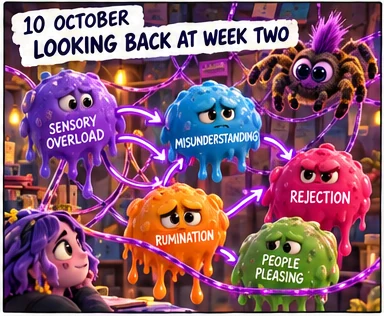
Looking back on week two: how sensory overload, misunderstanding, rejection, rumination and people pleasing feed each other, and why the useful question is what is happening underneath.
Read article : What This Week Has Taught Me: how ADHD challenges feed each other
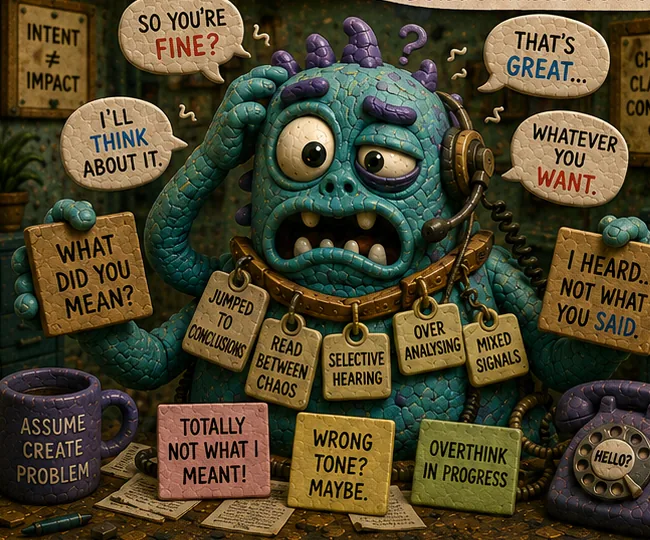
How an ADHD brain can arrive at a conclusion before anyone else has joined the journey, how the Misunderstanding Monster fills in the blanks, and why becoming curious before certain helps.
Read article : I Didn’t Mean It Like That: ADHD, communication and misunderstanding
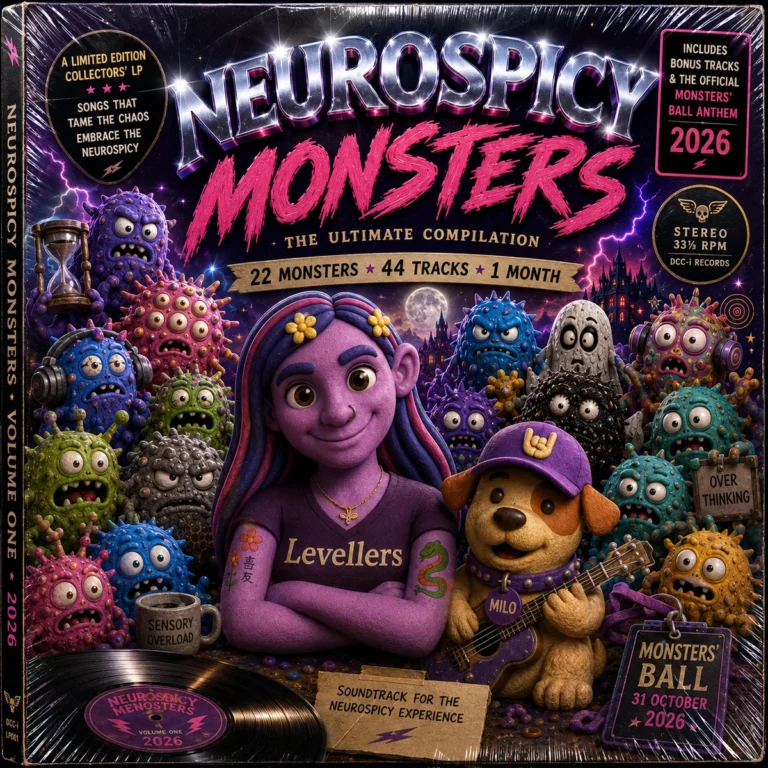
Neurospicy Monsters, Volume One: the ADHD journal’s collectors’ LP
Music, sleeve notes and audio from our lived-experience work.
Listen now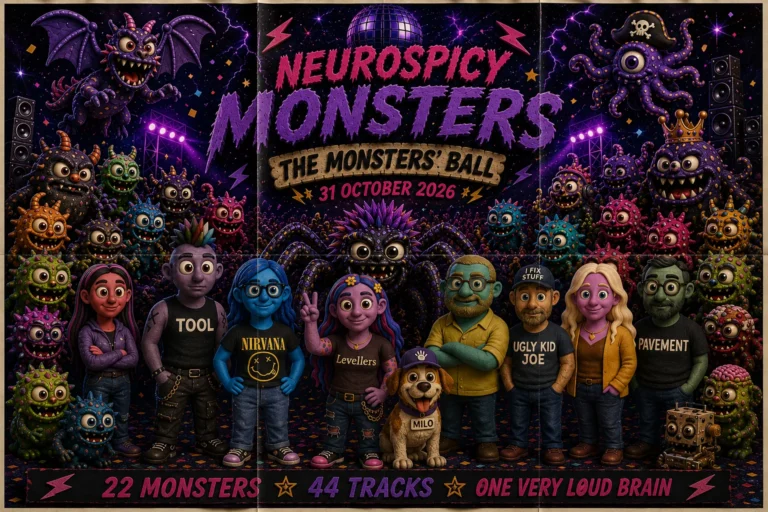
Meet the Neurospicy Monsters: the characters of the ADHD journal
Poetry, artwork, photography, zines and other creative work.
Explore nowShort videos, conversations and lived-experience clips.

Interactive journal
Explore Daisy’s October journal the way it was designed: a calendar of diary entries, the Neurospicy Monsters collectors’ LP, weekend comics and mini-games, and practice prompts. Every written entry is also published here to read.
Nothing is published here until a real person has said it and agreed to it being shared.
For anyone
Plain-language answers for people who are neurodivergent, families, carers, advocates and anyone wanting to understand more.
Neurodiversity describes the natural variation in how human brains develop, process information, communicate, learn and experience the world. It includes everyone. In practice, the term is often used when discussing neurological differences such as autism, ADHD, dyslexia, dyspraxia and Tourette syndrome.
Not necessarily. The legal position depends on the individual circumstances and whether the Equality Act definition of disability is met, not simply possession of a diagnostic report. In practice, organisations can often respond to identified access needs without making people wait for diagnosis.
Explore in the Hub: Reasonable Adjustments Hub
Yes. Someone may be awaiting assessment, may not have access to assessment, or may use neurodivergent as a description of their experience. Practitioners can still respond to identified communication, sensory, processing and participation needs.