
Stage 1 of 6
Meet Leah
Leah is 34, autistic and lives alone in a housing-association flat. She has asked for a Care Act assessment after a period of increasing difficulty managing everyday life.

The referral note says…
“Leah appears independent. She can cook, wash, use a phone and travel on public transport. She presents as articulate and has no physical care needs.”
Your job: test whether that snapshot tells you enough about her ability to achieve Care Act outcomes reliably in everyday life.
What might executive functioning look like in Leah’s day?
Select the information that should make an assessor curious about executive functioning rather than simply labelling Leah as “unmotivated” or “choosing not to”.
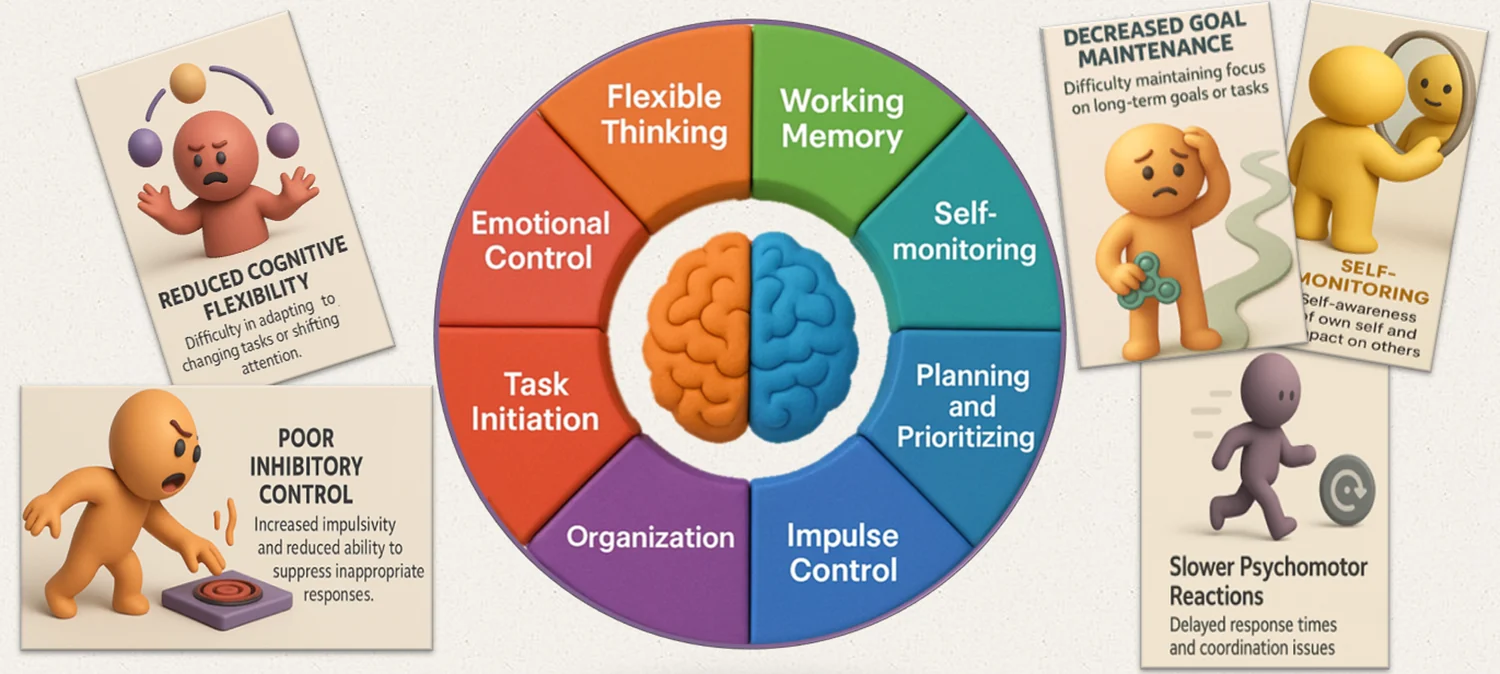
Which Care Act outcomes need fuller exploration?
Choose the outcomes where Leah’s executive-function difficulties may mean she is unable to achieve the outcome without assistance, significant distress or risk, or only by taking significantly longer.
Apply the three-gate test
For this fictional exercise, make a provisional group judgement using the information you have. An actual eligibility decision would require a full person-centred assessment.
How would you strengthen the assessment?
Select the approaches you would want in the assessment plan.
One practice change
One or two sentences is enough.
Group discussion summary
Practice anchor
Care Act eligibility is not diagnosis-led. The national threshold considers whether needs arise from or relate to an impairment or illness, whether the person is unable to achieve two or more specified outcomes, and whether this causes or risks a significant impact on wellbeing.
Read the Care and support statutory guidance · Care and Support (Eligibility Criteria) Regulations 2015